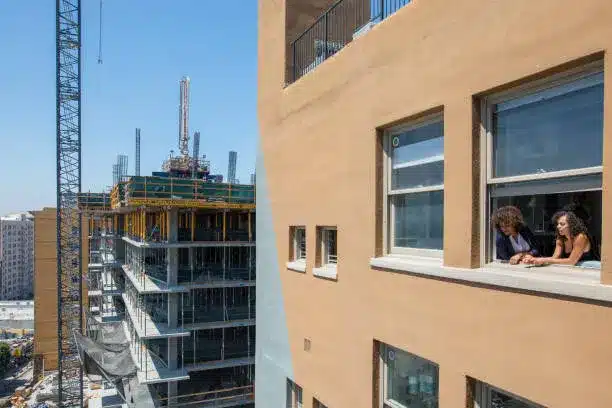
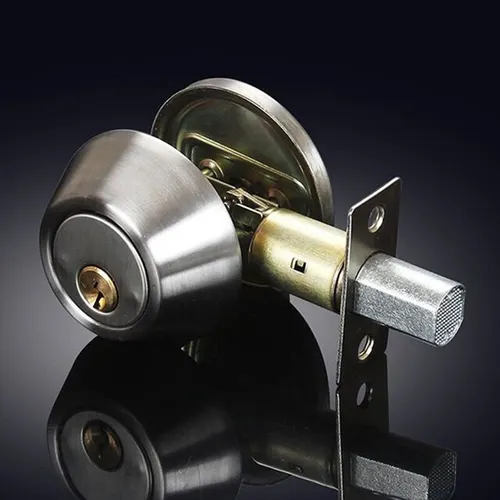
Operating a 24-7 emergency locksmith service in Philadelphia, PA means working within one of the most layered and demanding urban markets in the Northeast. The city blends colonial era architecture with modern high rise construction, dense rowhome blocks, expanding mixed use corridors, and heavily traveled commuter routes. Each of these elements shapes how locksmith services are requested, delivered, and evaluated. From Society Hill’s preserved historic properties to the glass towers rising near Comcast Center, technicians must be prepared to handle dramatically different lock systems often within the same square mile. Success here depends not only on technical skill but on a deep understanding of Philadelphia’s geography, traffic patterns, property trends, and neighborhood expectations. Competition across the city is intense. Center City alone supports a mix of long established family locksmiths, regional service providers, and national call center driven dispatch companies. Customers in Rittenhouse Square or Washington Square West often research reviews before making a call, even during lockouts, and they expect fast arrival paired with professional credentials. In neighborhoods such as Northern Liberties and Fishtown, where younger homeowners and renters are common, transparency in pricing and clear communication matter just as much as speed. A provider that cannot demonstrate local credibility will struggle in a market where word of mouth and online ratings heavily influence decisions. Philadelphia’s historic housing stock presents another layer of complexity. Old City properties frequently contain antique mortise locks, narrow door frames, and original wood that must be handled carefully to avoid damage. In contrast, new developments near the Schuylkill River Trail or University City often use electronic access control, key fobs, and hybrid smart lock systems. Emergency technicians must shift seamlessly between traditional mechanical entry and troubleshooting digital components. Around Temple University and Drexel University, high tenant turnover increases urgent rekey requests and late night lockouts, especially at the start and end of academic terms. This cyclical demand requires careful staffing and dispatch planning. Traffic and infrastructure can quickly disrupt even the most organized service schedule. The Schuylkill Expressway is known for congestion at nearly all hours, and I 95 construction regularly impacts travel times. Narrow one way streets in Bella Vista or Queen Village can slow vans carrying equipment. Large scale events near the Philadelphia Museum of Art, Lincoln Financial Field, or Citizens Bank Park generate surges in visitors and road closures that affect response times. During parades along the Benjamin Franklin Parkway or festivals in Fairmount Park, navigating the city requires real time route adjustments and intimate local knowledge. Without strategic vehicle positioning throughout the metro area, response windows can expand beyond what emergency clients consider acceptable. Seasonal conditions also shape the locksmith landscape. Winter winds sweeping in from the Delaware River can freeze exterior cylinders in South Philadelphia rowhomes, leading to broken keys and seized locks. Older doors expand and contract with temperature shifts, causing alignment problems that trigger late night service calls. Summer brings a different challenge. Tourism increases around Independence Hall, Reading Terminal Market, and Penn’s Landing, while short term rental turnover rises in neighborhoods close to major attractions. Higher occupancy means more lost keys, accidental lockouts, and urgent rekeys between guests. Providers must anticipate these seasonal spikes and adjust staffing accordingly. Economic diversity across Philadelphia requires flexible service models. In Chestnut Hill and along the Main Line edge of the city, homeowners often request discreet entry methods and high security upgrades after an incident. Meanwhile, small business owners in Kensington or Germantown may prioritize cost effective repairs that restore function quickly without extensive hardware replacement. Commercial properties near Market Street frequently demand strict documentation, proof of insurance, and compliance with fire code standards when panic hardware or exit devices are involved. Failing to meet these expectations can delay work approvals and damage long term relationships. Regulatory awareness is equally important. Pennsylvania business registration requirements, municipal guidelines, and building codes influence how emergency repairs are completed. Certain mixed use buildings in Center City enforce detailed access control policies that require coordination with property management before hardware changes are made. An experienced provider understands that solving the immediate lock issue is only part of the job. Protecting code compliance and maintaining proper documentation are essential to sustaining credibility in a city where property managers are highly risk conscious. Public safety concerns have also shifted client expectations. After a break in or attempted forced entry in areas like Brewerytown or Point Breeze, customers often want more than a quick fix. They expect recommendations for reinforced strike plates, upgraded deadbolts, or integrated smart monitoring. This evolution from reactive service to proactive security consultation reflects a maturing market. Companies that invest in ongoing training and local engagement are better positioned to meet that demand. For those seeking a deeper look at coverage and capabilities, visiting
Philadelphia emergency locksmith services can provide additional insight into how localized expertise makes a measurable difference. Delivering reliable 24-7 emergency locksmith support in Philadelphia requires more than tools and availability. It demands neighborhood specific awareness, strategic routing, regulatory fluency, and the ability to adapt to a city that is constantly evolving. From the cobblestone streets of Old City to the busy corridors near City Hall, the challenges are real, but so are the opportunities for providers who truly understand the character and complexity of Philadelphia, PA.